Supplemental Links
Prelude
Medgar Evers in Mississippi (Newspaper)
16th Baptist Church Bombing (Newspaper)
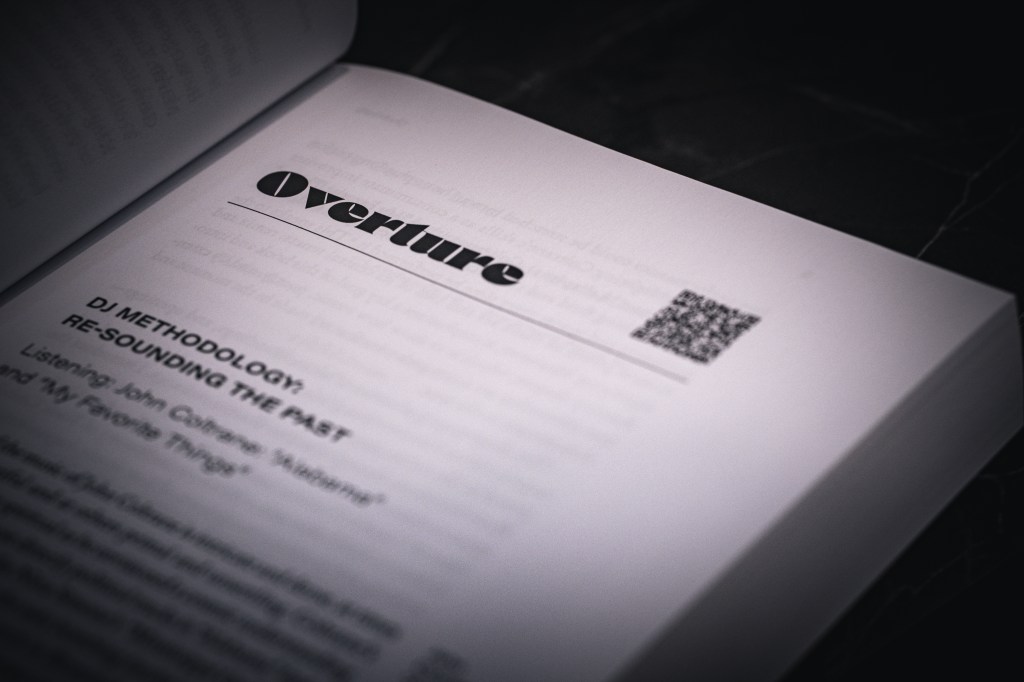
Overture
1963 bombing by KKK of 16th Baptist Church in Birmingham (Newspaper)
BLM-TO (Black Lives Matter, Toronto – Website)
The Black Atlantic Reconsidered (Website)
The Provincial Freeman (Newspaper)
United Nations 2016 Census: Toronto is the world’s most ethnically diverse city (Website)
Universal Declaration of Human Rights (Policy Document)
The Sweet Sound of Havana: Space Listening and the Making of Sonic Citizenship – Vincent Andrisani (Sound Clip)
Dred Scott vs Sandford (1857) (Court Case)
Cecil Foster “Writing Jazz: Gesturing Towards the Possible. Cecil Foster in conversation with Paul Watkins” (Interview)
Sask. Premier Brand Wall asks Ottawa to suspend Syrian refugee plan (News)
Coda
Dionne Brand 2006 Lecture at VIU (Chapbook)
Additional Sources
You can read/download the Open Access Chapter (Overture), here.
Discussion Questions
1. The overture opens by discussing how Coltrane’s music, particularly “Alabama,” functions as both a political and spiritual response to racial violence. In fact, the argument is made that in “re-sounding the past, we can productively deconstruct racism as a corporeal machination of hegemonic forces by larger institutions and work to imagine and create a better society.” Do you agree that music and poetry have the power to do this? Can you think of a few songs that effectively sound social change?

2. The overture critically examines Canada’s historical role as a "Promised Land" for Black “freedom seekers.” In what ways does the concept of “Canaan” serve as both an aspiration and a false promise in Black Canadian history?

3. The overture introduces the idea of “sonic citizenship” and suggests that music, poetry, and citizenship are active and improvisational processes. How does this challenge traditional understandings of belonging and identity in Canada?

4. The overture critiques the exclusion of Black Canadian literature from mainstream CanLit canons. Given the tensions between inclusion and the dangers of institutionalized recognition, what might a more equitable approach to canon-building look like?

5. The chapter references Leslie Sanders’ argument that a scholar’s authority can be “extremely dangerous.” How should scholars, especially non-Black scholars, engage with Black literary and cultural studies in a way that resists imperialist tendencies?

6. The coda section discusses how “aesthetic concerns beauty and is sensational and deeply personal,” while “rhetoric regards meanings and ethical relations and is external and social.” For many Black artists, both registers are important to our understanding. Why do you think it’s essential to consider both beauty and rhetorical function when analyzing any poem, particularly the work of Black musicians and poets?
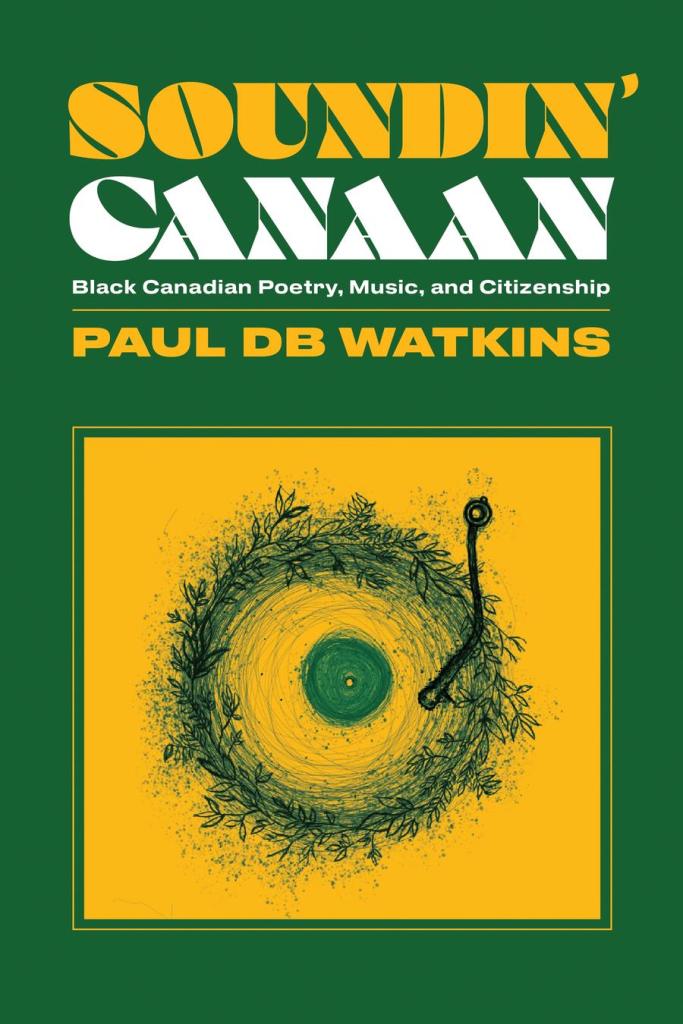
 SOUNDIN' CANAAN REMIXED